Four days at SiGMA World Rome 2026: what the floor told me about iGaming design
I exhibited with ClefDev at SiGMA World Rome 2026 (Fiera Roma, 2–5 November, stand H3-3029). Photos from the stand and six iGaming product design takeaways.
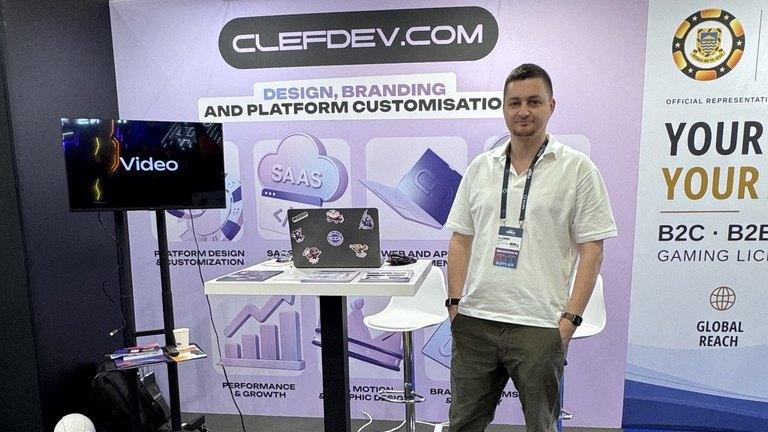
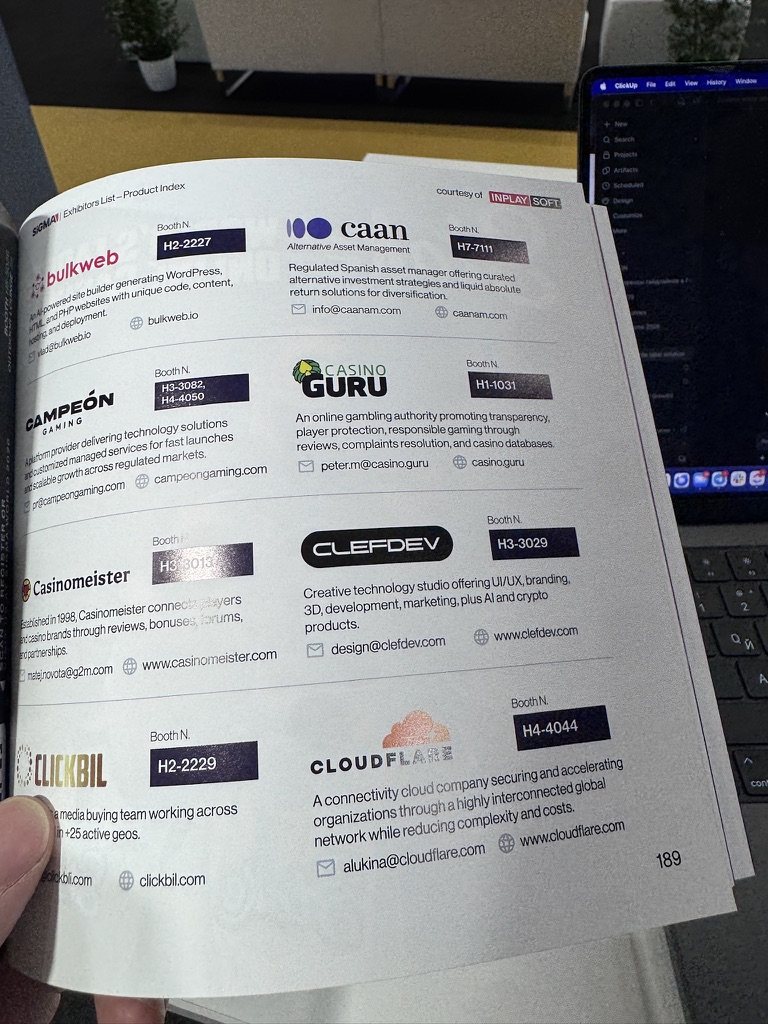
SiGMA World 2026 ran from 2 to 5 November at Fiera Roma, and this year my studio ClefDev was there with its own stand for the first time: #H3-3029 in Hall 3, a few metres from some of the biggest platform providers, operators and licensing brands in iGaming. Four days of product conversations is a better trend report than any industry survey, so this is my recap: what I showed, who came by, and six things the floor said about where casino and sportsbook design is heading.
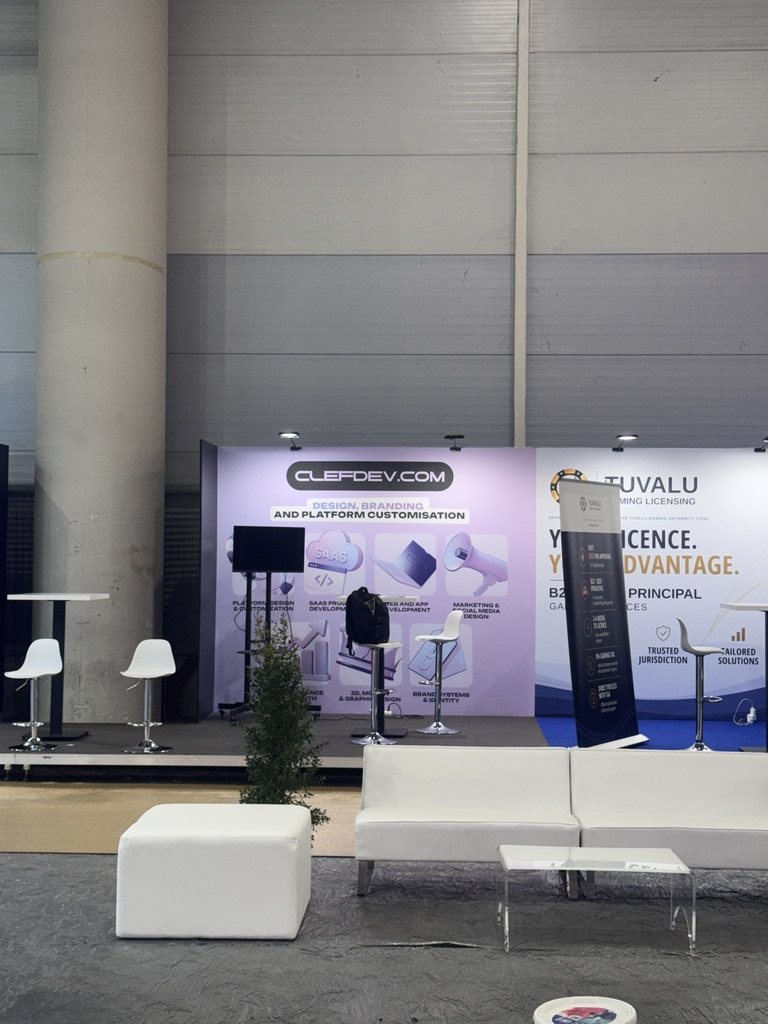
Show the work, not the deck
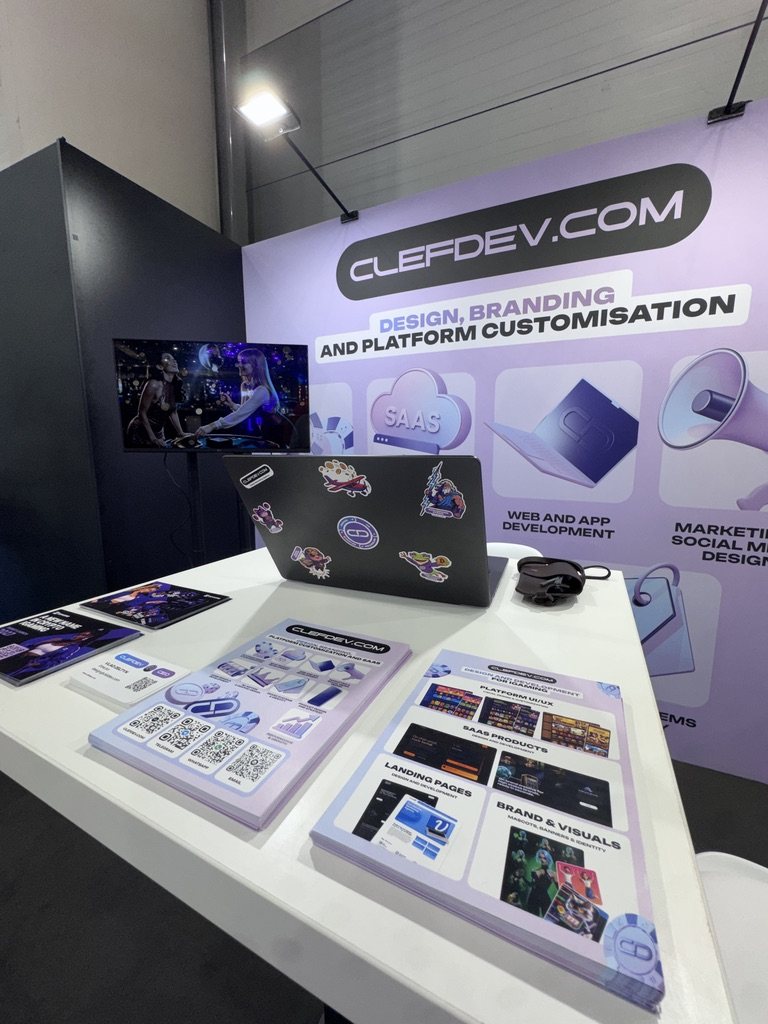
I built the stand around one rule: show the work, not the deck. The screen ran a loop of live casino and sportsbook interfaces, 3D assets and motion from projects I led – Coinz.us, WildWest and Casino365. The laptop was for live teardowns of visitors' own products: first session, lobby, cashier and brand, with concrete fixes instead of a pitch.
Before the show I opened 30-minute slots online, and most of them turned into real conversations at the stand rather than hallway handshakes. The wall said what I do in one line: design, branding and platform customisation for operators who are tired of looking like their provider. That line did more work than any brochure – half the conversations started with someone pointing at it and saying "that is us".
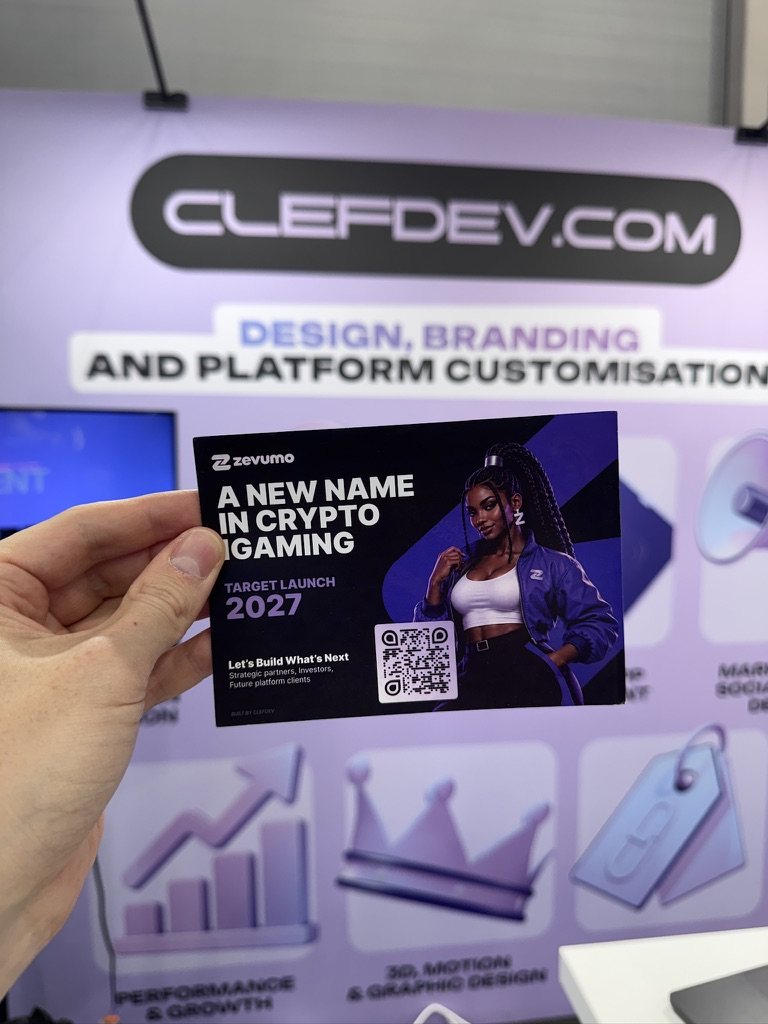
Rome was also the first public outing for Zevumo, a crypto iGaming brand we are building at ClefDev with a 2027 target launch. The first cards went to strategic partners, investors and future platform clients straight from the stand.
Six things SiGMA 2026 said about iGaming product design
1. Casino and sportsbook are one product shell now
The strongest products on the floor showed a single front end with casino and sportsbook as tabs, one wallet and one promotions layer. The design problem has moved from "two sites" to one navigation, one bonus wallet and one cashier that works for both – exactly the brief behind my iGaming casino and sportsbook design work.
2. Differentiation happens on top of the platform
Most operators at SiGMA run on a handful of turnkey platforms, and everyone on the floor knows it. The brands that stood out had invested in their own visual layer: an illustrated world, a mascot, motion in the lobby. That is platform customisation in practice, and the WildWest case – a white-label casino rebuilt into a distinct brand – is the proof I showed most often. The same logic runs through my turnkey casino work.
3. Dual-currency and crypto UX is mainstream
Sweepstakes-style coin stores, crypto cashiers and on-chain rewards were on every second stand. The hard part has not changed: explaining two balances without a wall of text. I wrote about how to handle it in the sweepstakes two-coin problem, and it is the core of my Web3 and crypto product design.
4. Compliance moved into the interface
Reality checks, limits, self-exclusion and advertising-rule changes are no longer a settings page. Regulators in Italy, the UK and Brazil are pushing them into the first session, and the operators who design for that early keep their conversion. My Playwise responsible-gaming concept is built on exactly that idea, and the UK pressure is covered in the Premier League shirt ban piece.
5. New surfaces: Telegram mini apps and prediction markets
Several conversations opened with "we want a mini app" or "how do we answer prediction markets". Both are distribution questions dressed as design questions. I covered the second in prediction markets vs sportsbooks, and build the first through Telegram mini-app design.
6. 3D and motion are table stakes – on the floor and in the product
The stands themselves were a brief: LED walls, kinetic installations, mascots on every screen. Players now expect the same production level in the lobby, the win moments and the promo banners, which is why 3D and motion came up in almost every scoping conversation.
Who came to the stand, and what they asked for
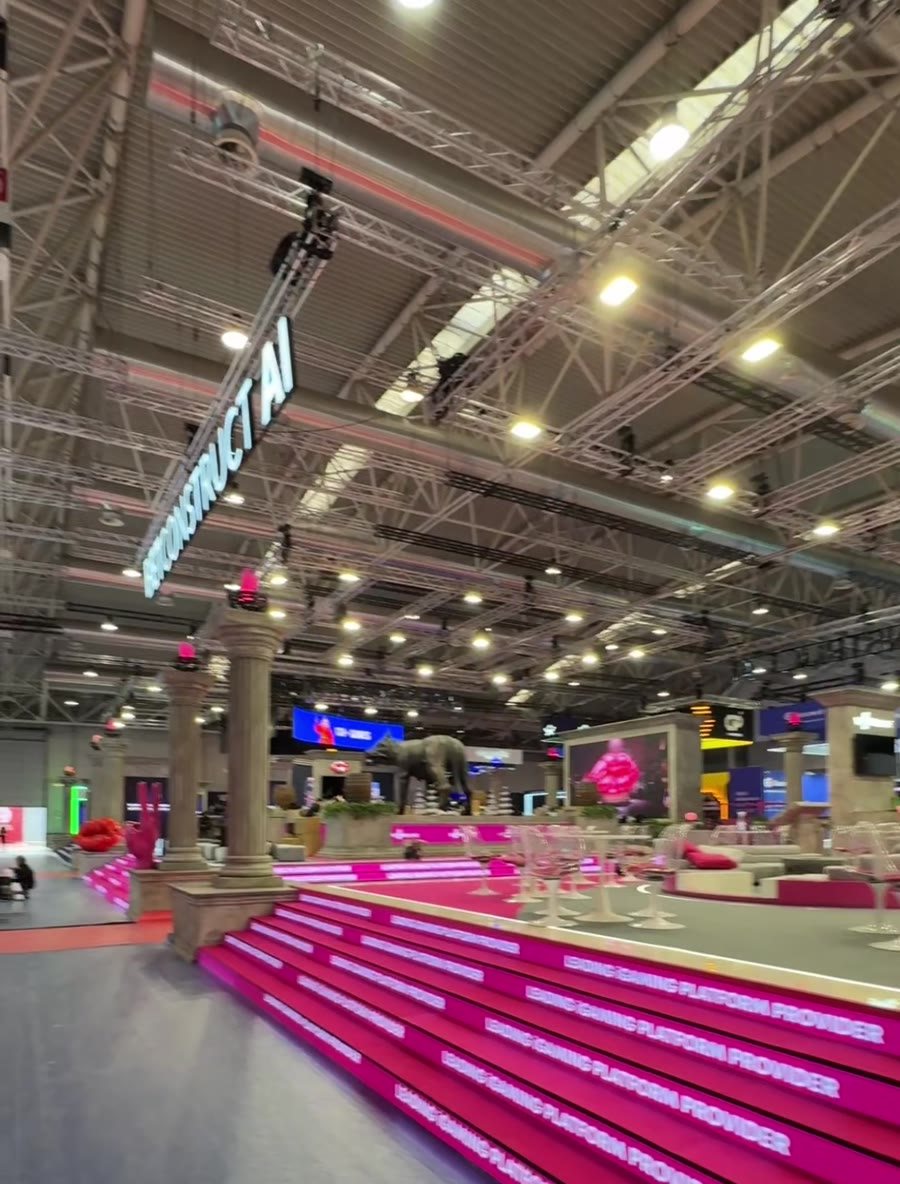
Across four days the asks clustered into four groups: lobby and cashier redesigns on a turnkey platform, sportsbook front ends that have to convert on mobile, brand systems for multi-market launches, and 3D asset libraries for promotions. I spoke with operators, platform and game providers, affiliates and licensing consultants from across Europe, Asia and the Gulf.
The visitors who stayed longest were the ones who opened their product on the laptop, and the follow-ups from those sessions are now turning into audits and first sprints. If you were one of them, the follow-up is on its way.
What happens next
Rome confirmed the thesis I took there: the iGaming front end is where operators can still differentiate without touching trading or the game library, and most of them know it. We are deciding the 2027 event calendar now, and the next dates will go on the ClefDev SiGMA page and LinkedIn.
If we missed each other in Rome, the offer from Hall 3 still stands: send me your product or your provider shortlist and I will come back with a UX assessment and a prioritised list of fixes, usually within a week.
FAQ
Where was the ClefDev stand at SiGMA World Rome 2026?
Stand #H3-3029 in Hall 3 at Fiera Roma, Via Portuense 1645, Rome, from 2 to 5 November 2026.
What was shown at the stand?
Live casino and sportsbook interfaces, 3D assets and motion from Coinz.us, WildWest and Casino365, plus live teardowns of visitors' own products – first session, lobby, cashier and brand.
Can I still get the product teardown?
Yes. Send a link to your product or your provider shortlist and you get the same 30-minute UX assessment that was offered at the stand, just online, with prioritised fixes usually within a week.
This article is for general information only. It is not financial, legal, tax or investment advice. Facts and links were correct when we published them and may have changed since. Check the original sources before you act on anything here.